Using Plants to Combat Depression
As one of the three most-diagnosed mental health conditions in the United States, depression is a significant contributor to disability and other ailments, including substance use disorder. As a result, it’s worth asking: do houseplants improve mental health? Just as the research above has indicated, spending a short amount of time in nature and keeping houseplants in the home or office can help address mood disorders.
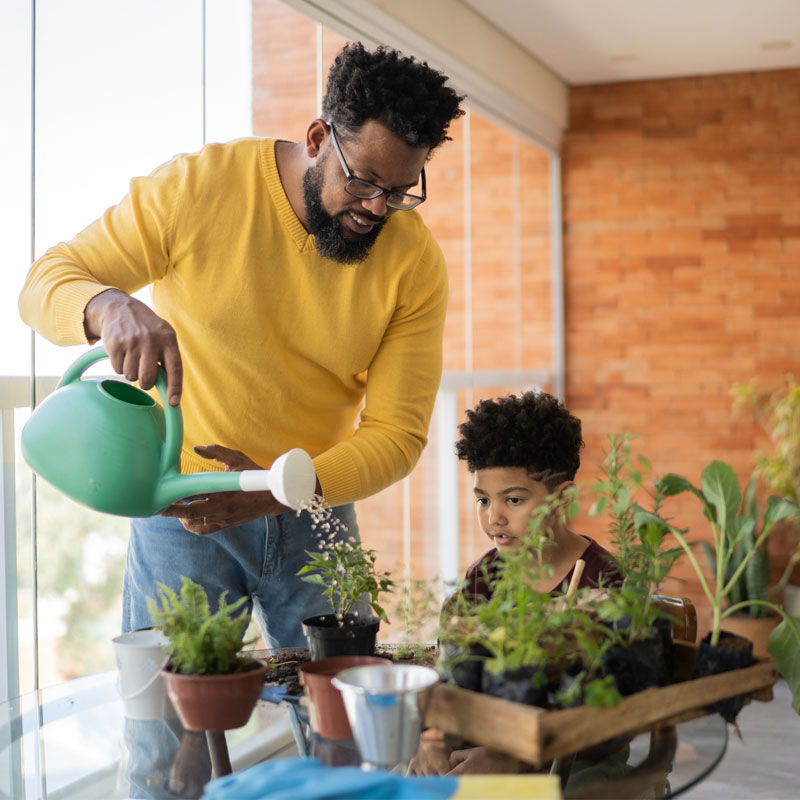
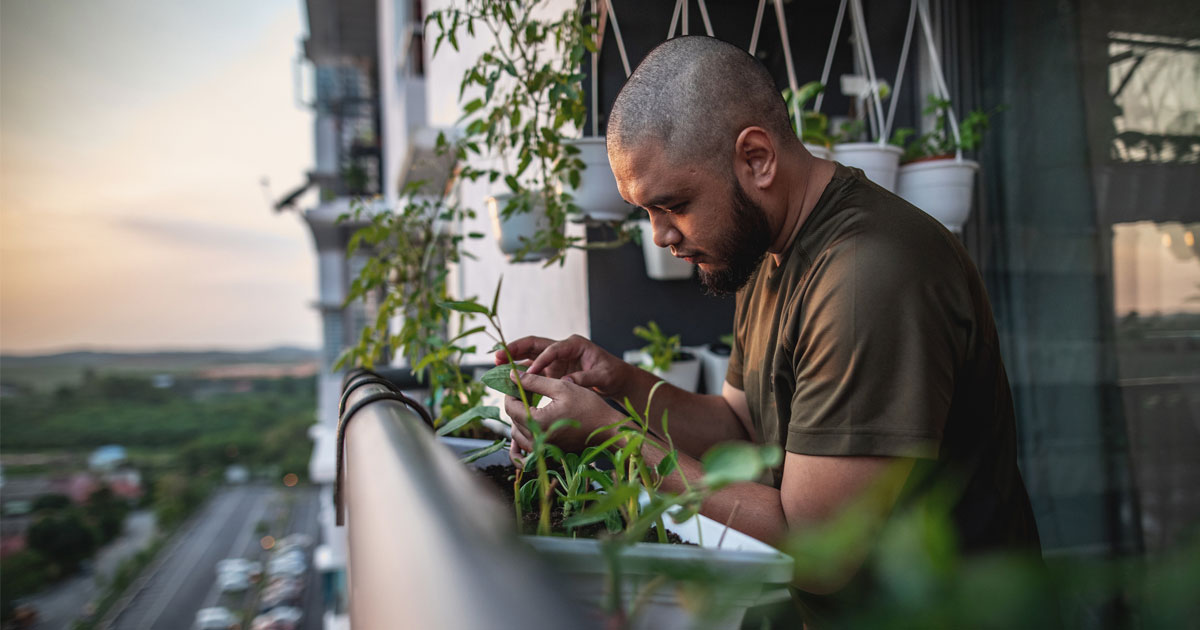
The recent COVID-19 pandemic provided the opportunity for researchers to dive deeper into the benefits of plants for addressing depression, particularly as it pertained to isolation. One study set out to explore the role of houseplants in reducing feelings of depression associated with the epidemic. Researchers devised a questionnaire to collect data about a sample population, both with and without house plants. They found that participants with houseplants felt their depression was reduced, and their results tended to be more positive than individuals without houseplants. Further, participants with houseplants in main living areas experienced these positive effects more significantly than those with houseplants that weren’t in a high-traffic area. Those with increased exposure to houseplants throughout the day had higher levels of happiness and a greater tolerance level when it came to stress or anger triggers. 6

Plants and Other Mental Health Conditions
Depression is far from the only mental health condition that may be reduced by exposure to plants. Studies mentioned earlier indicated that indoor plants have also proven to be beneficial for those struggling with PTSD. Plants have demonstrated the ability to reduce symptoms associated with this disorder, including stress, anxiety, and the fight-or-flight component of the stress response. They have also proven beneficial in creating a more positive state of mind.
Prior research also indicates that plants can address the symptoms associated with attention disorders like ADD and ADHD. Plants have been shown to boost mood, increase focus and concentration, and positively impact productivity. The above-mentioned study suggests that a small break to walk through nature or exposure to plants in the home can help improve attention span as well as memory and cognitive function in children with attention disorders.7
Emotional Support Plants
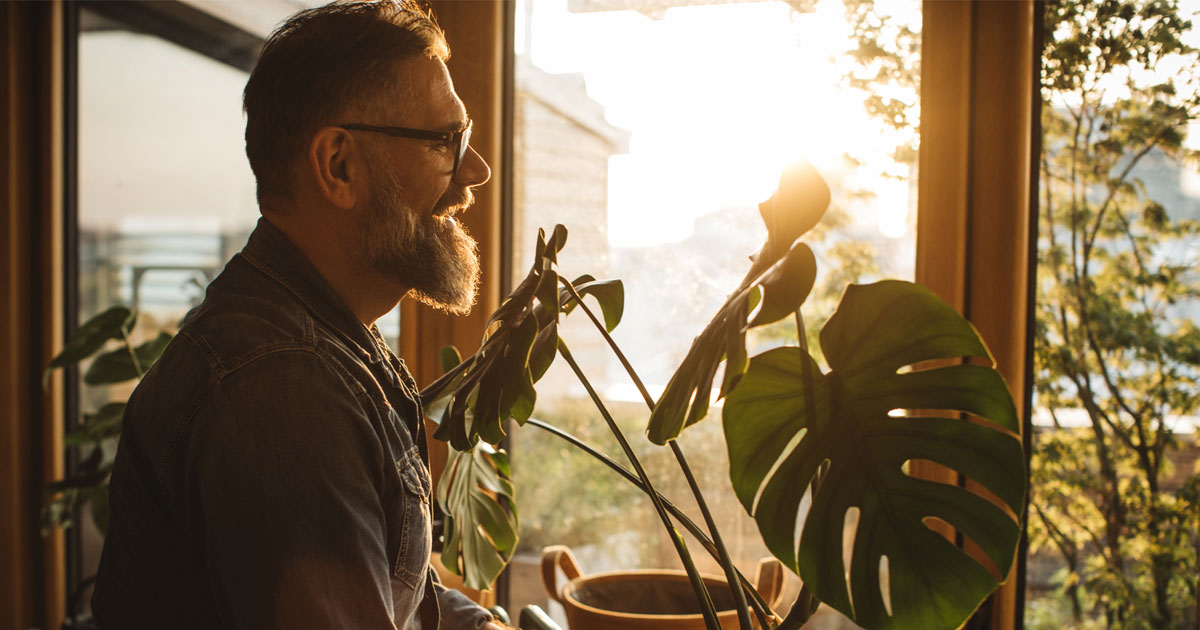
Using plants for emotional healing can provide actual results, as indicated by the perceived benefits mentioned by numerous study participants.8 A related concept — that of emotional support animals is already widely accepted. Animals can make it possible for an individual to cope with stressors by focusing on something positive and rewarding.9
Plants can do the same simply by providing visual stimuli as well as a healthy demand for attention. That’s because plants need more than good soil, sunlight, and water: they also need love and attention. Many plants require careful maintenance, such as leaf and shoot trimming, repotting, nutrient feeding, and more. Having something to love and care for can be immensely beneficial for individuals who struggle with stress, anxiety, depression, PTSD, and other mental health conditions.10
Best Indoor Plants for Mental Health
Whether you are looking to purchase your first houseplant or want to add to your existing collection, there are a few things you should keep in mind.
Plant Selection
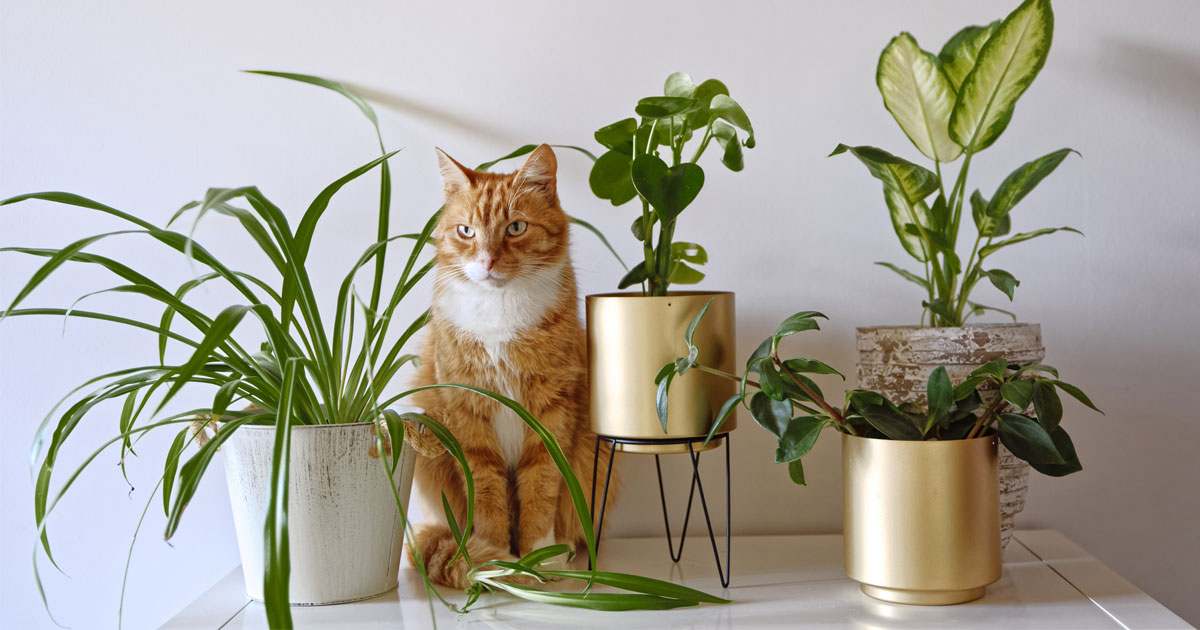
As you select your plants, consider your level of experience, the amount of space you have, natural lighting, and water or soil capabilities. While some people prefer a plant that needs attentive love and care, others prefer to start with plants that are relatively easy to care for.
Common “starter plants” include:
- Snake Plants – These plants are one of the easiest houseplants to care for, as they prefer bright, indirect sunlight. Snake plants are quite forgiving, and it is recommended to let the soil go dry between watering.
- Spider Plants – This plant can be highly adaptable to different environments and grows easily with moderate sun exposure and weekly watering. The fast-growing shoots can be replanted and grown elsewhere, making this an easy plant to reproduce in other areas throughout your home.
- Aloe Vera – Succulents are remarkably forgiving and ideal for those experimenting with plant care for the first time. Aloe vera prefers bright, sunny places and watering around once every two weeks.
- Peace Lily – If you are someone who tends to overwater your plants, peace lilies are the ideal option. With plenty of water and ample lighting, you’ll see spade-shaped flowers grow over time.
- Basil – Basil is much more than just a great ingredient in iconic Italian dishes. It is easy to grow, and the trimmings can help improve mood, reduce stress levels, and even reduce blood pressure.
Number of Plants
While research suggests that as few as one to three plants can provide benefits, you can truly never have too many if they have space to flourish and grow. It is recommended to place your plants in living areas where they can be appreciated and interacted with. For larger spaces, you may want to consider having three or more, provided you can commit to caring for them regularly.
Proper Care
All plants have unique needs when it comes to space, soil, water, and sunlight. When selecting plants for your home, take the time to ask a professional or do your research online. A few simple tips for keeping your plants happy and healthy include:
- Don’t forget to provide a drainage system. Excessive water can be just as harmful as dry conditions when it comes to the life of your plants. You’ll want to create a drainage system that allows excess water to drain easily, which can be as simple as putting rocks at the bottom of your pot before adding in your dirt.
- Aerate your soil. Dirt can get packed easily with consistent watering. Occasionally aerating your soil by poking holes in the dirt allows air to move through these tunnels.
- Create a routine. Provide a consistent amount of water according to your plant’s needs. If you notice issues, make slight adjustments over time since plants, like people, sometimes need time to adjust to a new setting.
- Keep the soil healthy. Over time, nutrients will naturally deplete from the soil, and occasionally adding fertilizer can help ensure your plant continues to get the nutrients it needs. Some plants can thrive with general potting soil, while others may need specialized fertilizer.
Get a Plant and Let The Healing Begin

Plants and people have always had a special connection, but today’s scientific research continues to support the hypothesis that plants can support physical, mental, and emotional healing. If you can’t regularly get out into nature, house plants can help bridge the gaps that may be contributing to negative mental health. Plants can improve mood, increase productivity and focus, stimulate cognition, reduce stress and anxiety, and relieve symptoms of PTSD.
At Alternative to Meds Center, we know that plants are an essential component of holistic treatment. We are firm believers in the power of nature and healing that simply isn’t provided by today’s pharmaceutical medications. Visit our blog to discover more examples of science-backed holistic treatments, therapies, and techniques for addressing a range of mental health disorders.