Understanding Energy
As mentioned, Qigong relies on the core theory that qi flows through the bodies of all living things. When energy becomes stagnant or blocked, both mental and physical health problems can develop. This is because holistic healing posits that the body and the mind are equals – a condition that affects the mind can also affect the body, and vice versa. This concept differs from standard medicinal practices, which often prefer to separate the two.
The ancient belief that energy imbalances can affect the body and mind is well in-tune with the holistic medicine theory that toxins and environmental chemicals create imbalances within the brain and body. These imbalances can trigger issues in both bodily and brain systems. While a typical medical professional may suggest pharmaceutical medications to address a chemical imbalance or toxicity, with the right natural detoxifying therapy, the body and mind can once again find balance.
What Does Qigong Look Like?
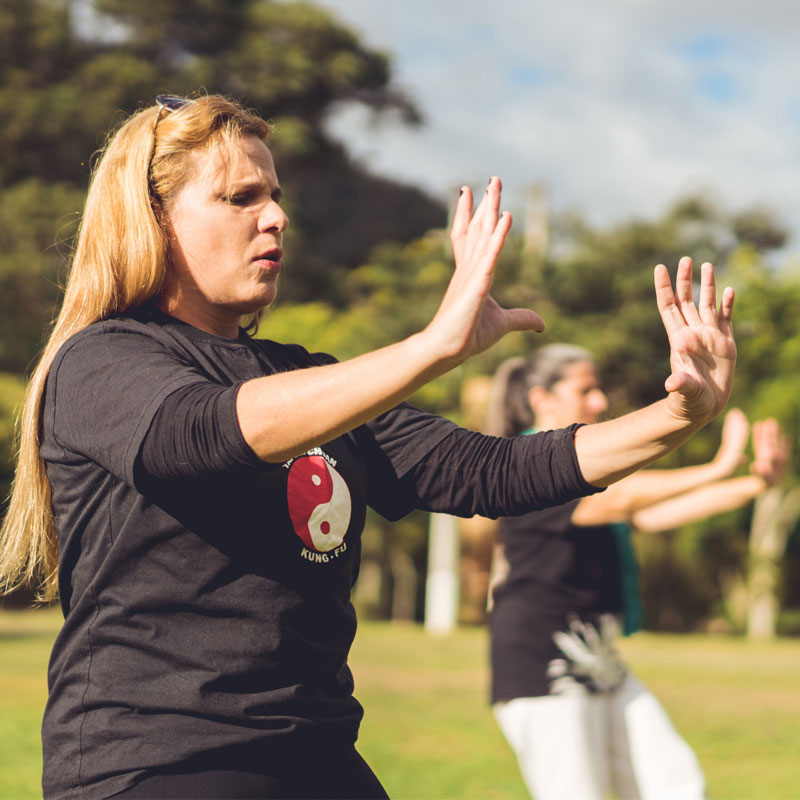
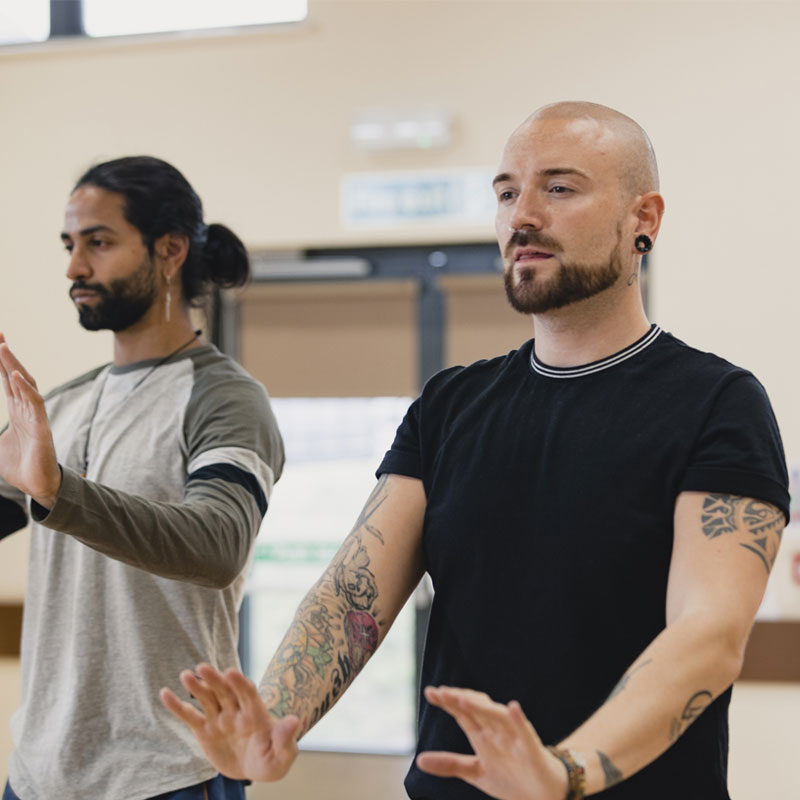
There are different ways to practice Qigong, but most can be defined as either active (dynamic) or passive. Active Qigong focuses on the use of controlled, slow movements, while passive Qigong relies more heavily on stillness and breathing. Both types of Qigong have the same aim – to restore balance to the body and mind by freeing the flow of qi.
It is important to note that you may practice Qigong by yourself or with others. In addition, in many instances, you can practice Qigong with a therapist as a form of self-healing.
Active Qigong
This practice relies more heavily on controlled body movements and aligning active movement and breathing to promote the movement of energy throughout the body. It is common to rely on subtle, coordinated movements that can promote blood and lymphatic drainage. This promotes balance, muscle strength, and flexibility.
Passive Qigong
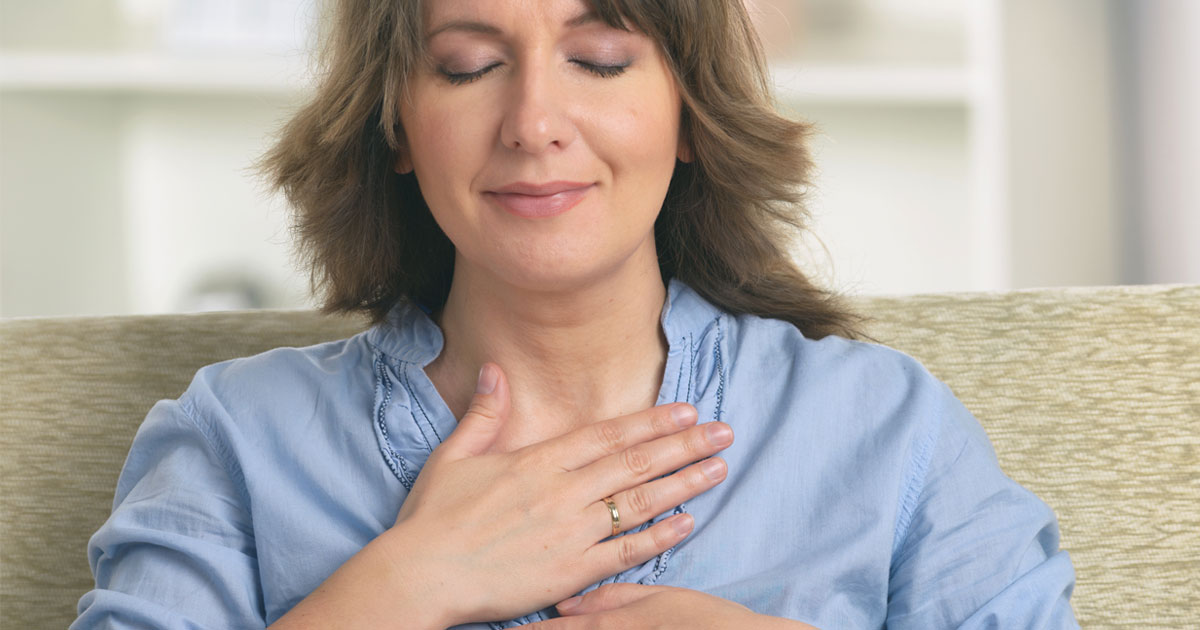
For those seeking a less physical approach, passive Qigong may be the best option. This form of Qigong focuses on creating stillness within the body and has a greater focus on the mind. While the body may not be physically moving, the mind must remain active and focused on moving energy throughout the body. Often, passive Qigong is compared to traditional methods of meditation.
Research continues to support evidence that meditation and Qigong can prove beneficial when combating a variety of mental health concerns, such as depression and anxiety. Qigong meditation benefits include a greater ability to achieve peace of mind, which in turn minimizes intrusive thoughts. This prevents daily stressors from causing serious health concerns as they begin to build and overwhelm the body and mind.1
Qigong vs. Yoga
There is a common misconception that Qigong is a form of yoga due to the emphasis on movement and focus within the body and mind. However, this is not the case. While the two therapeutic practices share various similarities, there are also stark differences.
While yoga is available in various stages, it tends to require a significant amount of strength, balance, and the ability to stretch. Qigong tends to focus more heavily on slow, methodical movements paired with breathing. This makes Qigong more accessible to individuals of all ages and physical restrictions.
Benefits of Qigong

It is essential to examine the benefits of any therapy before deciding to incorporate it into your healing or recovery process. With consistent, focused practice, there are a variety of health benefits you can expect from Qigong.
Reduce Blood Pressure
There are numerous external influences that can cause an increase in blood pressure, and stress is chief among them. Qigong is designed to help individuals self-regulate their feelings of stress to achieve both physical and mental relief. In fact, Qigong has demonstrated the ability to minimize the impacts of daily stressors and alleviate ailments such as high blood pressure.
Research shows that physical activity and breathwork, which is a major component of this therapy, can both help to reduce blood pressure. Slow, thoughtful breathing can help calm the sympathetic component of your autonomic nervous system, also known as your fight or flight reaction. In this way, improving the relationship between body and mind via Qigong can help combat high blood pressure. 2
Alleviate Chronic Pain
Chronic pain can impact every aspect of your life, leaving you feeling exhausted and limited in your ability to participate in even the most basic activities. For those struggling with chronic pain, movement is often restricted, helping to prevent any further flares or discomforts. Qigong is an ideal therapeutic solution because it has minimal impact, utilizing controlled breathing and gentle movements to slowly increase circulation, reduce inflammation, and promote healing. For individuals struggling to find an exercise option that provides results without risking injury, Qigong is the solution.
Improved Physical Fitness
As mentioned, Qigong is low impact, utilizing aerobic and strength components that are within most physical means. This enables people of all ages and medical circumstances to participate, including those with limited mobility. For most individuals, any form of exercise is better than no exercise. Movements associated with Qigong can be modified to adapt to any unique need.
Reduce Depression and Anxiety
Qigong is designed to address both the physical body and the mind. Studies have found that Qigong is an effective therapy for individuals with major depressive disorder. Participants who practiced for 45-60 minutes at least 2-3 times a week for twelve weeks experienced lasting relief from their symptoms. Our minds thrive best when there is balance, and Qigong can address the imbalances that directly impact the severity of depression and anxiety symptoms.3
Relieve Cancer-Related Symptoms
Cancer treatment can take a serious toll on the body and mind. It is often necessary to introduce a variety of therapies that can help manage the stress, anxiety, and discomfort of cancer diagnosis and treatment. Researchers found that Qigong is an effective option for managing stress and anxiety related to cancer. When exploring the health benefits of patients dealing with breast cancer, they found that practicing Qigong twice a week for ten weeks proved a distinct improvement in quality of life compared to those who received conventional medical care. Researchers found patients were less tense and experienced relief from anxiety and depression.4
Immune Strength
There is often a false assumption that the more intensive the physical activity, the better the benefits. Qigong is one of many therapies that prove that this is not always true. Slower movements can help lubricate troubled joints, promote circulation, bring balance to the body, and improve the immune system. In this way, Qigong appears to help improve immune system function and inflammatory response.