Medical Uses for Kratom
As previously mentioned, research out of the University of Florida indicated that kratom may have benefits for lessening the discomforts of opiate withdrawal, including pain reduction.
Dr. Chris McCurdy suggests that this study is one of the most important for revealing that Kratom could be a potential treatment for those recovering from opioid dependency. Currently, buprenorphine and methadone are the primary pharmaceuticals used to treat opioid withdrawal, but each of these has its own side effects and limitations.
A huge limitation of the medical use of kratom is induced tolerance, dependence, and addiction, which is similar to other opioid-type drugs.8
Kratom Use For Pain Management
Kratom has a long history as a traditional remedy for various ills, including pain relief. When used regularly, according to a study out of Malaysia, more than half of regular users developed severe dependence and an additional 45% developed moderate dependence.9
The trouble with using any opioid drugs for pain management is that they are addictive over time, and typically develop tolerance, becoming ineffective over time.
Kratom Use For Opioid Withdrawal
As discussed, because the mitragynine chemical in kratom mimics the effects of opioids and bonds to opiate receptors in the brain, some have suggested kratom could assist in coping with the effects of withdrawal from other opiate-based drugs and medications. Perhaps as a feature of the opioid epidemic in the US and Canada, studies suggest kratom use has exploded over the last 10 years, possibly from at least a segment of the population looking for a method of opiate withdrawal. In the case of using kratom for this purpose, it is a bad choice, that can result in many health risks.
As with treating addiction to any substance, the truth is that rather than break the addiction and return to sobriety in life, the initial addictive substance will instead be replaced with another addictive substance. Dependence on kratom can occur when taken regularly and may also result in severe adverse side effects and withdrawals when the drug is stopped abruptly.7-9,14,16
Regular use of kratom has been said to increase tolerance, and therefore, the need to increase the dosage of the herb. Routine consumption of high doses of kratom will induce adverse side effects, which are similar to other manifestations of high doses of opioid drugs, resulting in worsening conditions.
Toxic Side Effects of Kratom Use
Administration of kratom ranges from smoking, eating, and drinking, but all capitalize on the fact that kratom is an orally active drug. When taken through the mouth, kratom can cause numbness of the tongue, dry mouth, vomiting, and nausea.
When taken in larger doses, kratom is associated with side effects including tachycardia, agitation, drowsiness, vomiting, confusion, and others.
Kratom use is also associated with severe sedation, depressed respiration, cardiac arrest, coma and death.3,10,13-15
Is Kratom Hard on the Liver?
Kratom is processed in the body as a toxin. Experiences for individuals will differ depending on how long the substance is used, the size of your body, and a range of other factors. In cases of using kratom as well as other recreational or medicinal drugs, the combination may result in liver damage, even in low-dose usage 10
While case studies of acute liver injury with kratom use are rare, the limited data shows that it is a possibility. The onset of nausea, fatigue, pruritus (itchy skin), and finally dark urine followed by jaundice, or yellowing of the whites of the eyes or skin, are signs of acute liver injury.
A very concerning issue is the lack of scientific study and clinical trials of the substance, resulting in the public vulnerability to believing kratom to be more benign than it actually is.
Traditional Use of Kratom
Traditionally, individuals indigenous to the same Southeast Asian regions where the kratom tree grows would chew or brew tea from the leaves. Kratom was consumed to fight fatigue and improve work productivity or to relieve pain. There is also evidence for the appearance of kratom in indigenous religious ceremonies.
Is Kratom a Controlled Substance?
Kratom is not regulated on the federal level like substances such as cannabis or other recreational drugs, but it is illegal in some states in the United States of America. The substance is not immune to nationwide regulation or ban in the future. Currently, the FDA has labeled kratom as a drug with no known medical benefits and considers kratom alkaloids to be psychoactive substances. Further, the FDA advises against the purchase of kratom in any form, including powder and as an ingredient in dietary supplements. While kratom is federally unregulated, Kratom is banned in the following states:
- Alabama
- Arkansas
- Indiana
- Rhode Island
- Vermont
- Wisconsin
There is also pending legislation in Connecticut, Hawaii, Kansas, Michigan, Missouri, New Hampshire, Ohio, Oklahoma, Oregon, Tennessee, and Texas—which, in the event that it passes, will limit, restrict, or ban the use, purchase, or sale of kratom in any form.
In Australia, kratom is considered a controlled substance. Canada has prohibited the promotion of ingested use of kratom ruling it unfit for human consumption.
The European countries of Romania, Poland, Sweden, Denmark, Lithuania, and Latvia have marked it as a controlled substance since 2011. The UK has disallowed the import, export, and sale of the substance since 2016 under the Psychoactive Substances Act.
In 2017, The Republic of Ireland listed kratom as an illegal substance under the names mitragynine and 7-hydroxy mitragynine.
In the traditional countries of production, there have been some recent changes to status as well. Indonesia will see it listed as an illegal substance in 2024. The timing was pushed back after the widespread banning in 2019 to give farmers more time to change to alternative crops.
Southern Thailand fully legalized kratom as well as cannabis as both are considered commercially viable crops and eliminated their classification as a narcotic.11,12
Help for Kratom Withdrawal at Alternative to Meds Center
At the end of the day, different substances affect individuals in different ways depending on a slew of different factors that can come into play. Body chemistry typically affects the results certain substances will have on the body and mind, and kratom is no different.
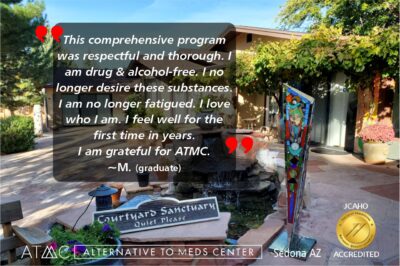 As with any substance use, recreational or medicinal, it is better to maintain the end goal of remaining sober, without the need or dependence on kratom or any other drug.
Leading a sober and healthy life is the end goal of the Alternative to Meds Center. We strive to give you the tools to take control of your life. We believe in creating a program that is individual to you and you alone. Education is the first step in achieving the naturally restored and balanced life you deserve on your journey toward true holistic healing.
On our services overview pages, you will find a wealth of information about non-drug-based therapies that thousands of our clients have benefited from. Diet and nutrition are fundamental principles of mental wellness. Exercise, counseling, cleansing, especially neurotoxin removal, and rebuilding neurochemistry with natural substances are other fundamental features of the work we do here at the center. These actions can benefit kratom withdrawal, and improve mental wellness at the same time.
Like any numbing drug, using kratom to mask symptoms pales in comparison to authentically reviving one’s health, energy, well-being, and natural mental health using the principles and treatment guidelines that have provided so much success for our clients over the last nearly 2 decades. Call us today for help with kratom withdrawal, kratom side effects, kratom addiction, or pain management without the need to rely on drugs for relief.